
What to Look For When Buying East African Art
A collector's guide from the team behind the Kenya Arts Diary
ARTSBUYING ART
7/24/20262 min read
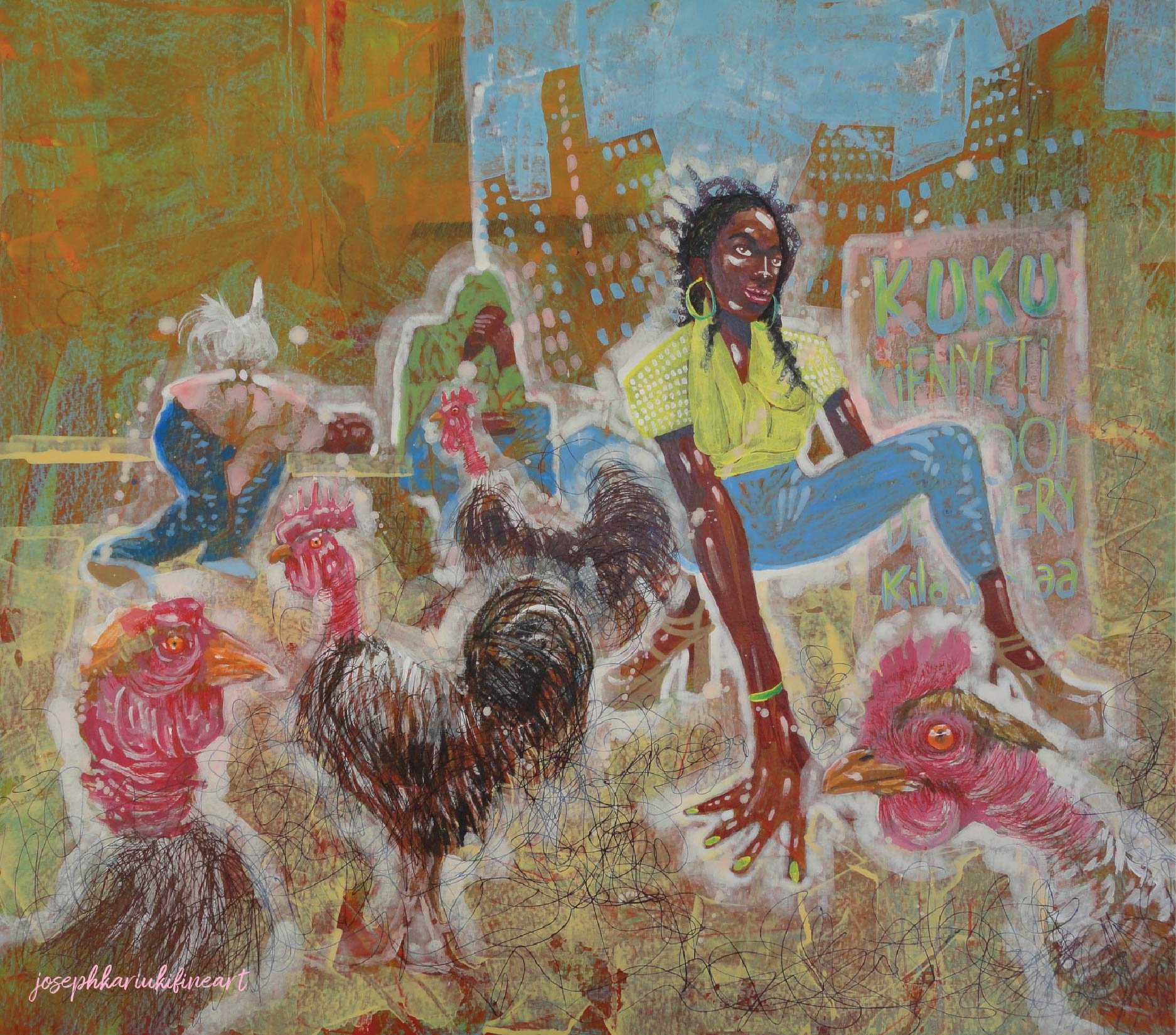
Every year, we spend months going through the work of over 300 painters, sculptors, photographers and craftspeople from across East Africa for the Kenya Arts Diary. We visit studios, attend exhibitions, argue passionately over selections, and ultimately try to do justice to one of the most exciting and underappreciated art scenes in the world.
So when people ask us: "how do I start buying art?", we have a lot to say.
Buying art can feel intimidating, especially if you're doing it for the first time. But it doesn't have to be. East African art is diverse, accessible, and frankly, one of the most rewarding investments you can make, not just financially, but personally. Here's what we've learned.
1. Buy what genuinely moves you
This sounds obvious, but it is the single most important rule. Before you think about investment value, resale potential, or what will impress a visitor to your home, ask yourself: does this piece make me feel something? Do I want to live with it?
East African art spans such an extraordinary range, abstract oils from Nairobi, vivid Tingatinga paintings from Dar es Salaam, woodblock prints from Kampala, beadwork from the Rift Valley. Don't let anyone box you into one style. Your collection should tell your story. The pieces you hang on your wall are a reflection of who you are, what you value, and what catches your eye on an ordinary Tuesday morning.
2. Get to know the artist
One of the great privileges of buying directly in this region is that access to artists is still real. You can visit studios, attend open days, catch an artist in conversation at a gallery or a launch event. Use that access.
Understanding an artist's body of work, their background, what drives them, it deepens your relationship with what you own. A painting becomes more than a beautiful object; it becomes a story you can tell. Who trained them? Have they exhibited regionally or internationally? Are they developing a consistent voice, or are they still experimenting? None of these are disqualifying questions- they're just part of knowing what you're collecting.
The Kenya Arts Diary includes short biographies and contact details for every featured artist for exactly this reason. We want to close the distance between the artist and the person who ends up with their work on the wall.
3. Look for quality of craft, not just concept
East African artists are incredibly concept-driven, many are grappling with identity, land, memory, migration, politics, and that's part of what makes the work so compelling. But alongside the idea, look at the execution.
Is the canvas properly stretched? Are the materials archival quality, meaning will the work last 50 years without fading or cracking? For sculpture and ceramics, examine the finish: are the joins clean, the surface intentional? For prints and photography, ask about edition size and whether the work is signed and numbered. These practical questions protect your investment and are completely reasonable to ask.
A beautiful idea poorly executed won't age well. The best East African artists, and there are many, marry strong ideas with real technical skill. When you find that, hold on to it.
Subscribe newsletter
info@kenyaartsdiary.com
0742 070 824
P. O. Box 16937 Nairobi Kenya
©Kenya Arts Diary Group –All rights reserved. No part of this publication may be reproduced, stored in a retrieval system, or transmitted in any form or by any means, electronic or mechanical or otherwise, without the prior permission of the copyright owner.